How data centers actively support the energy transition
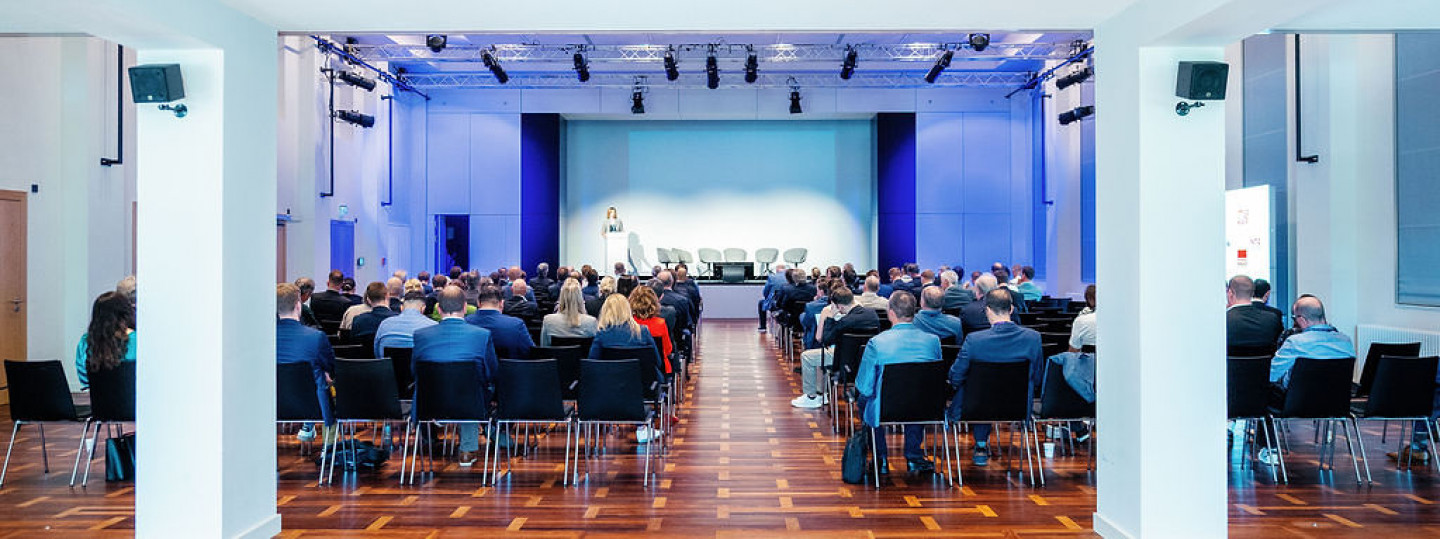
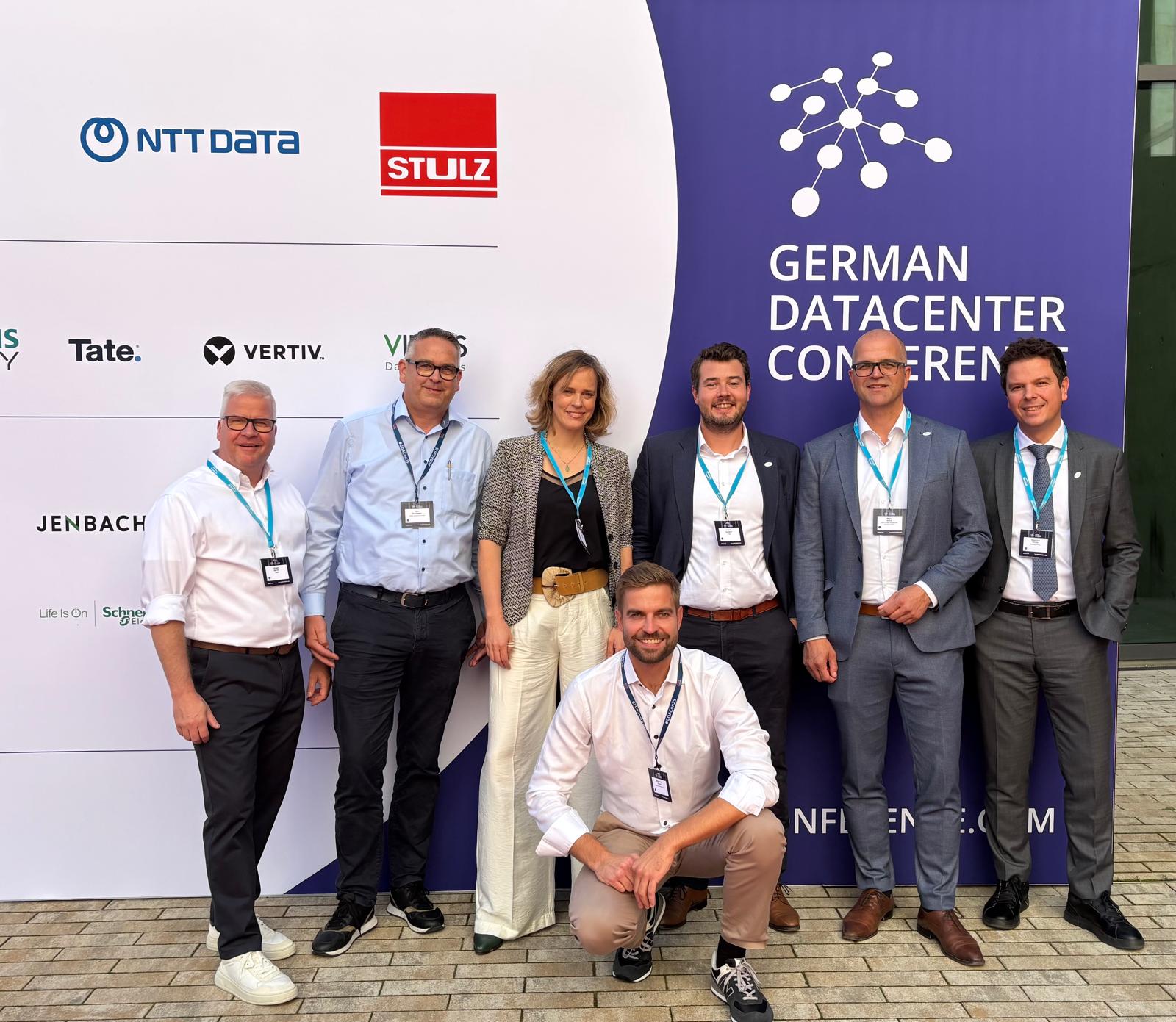
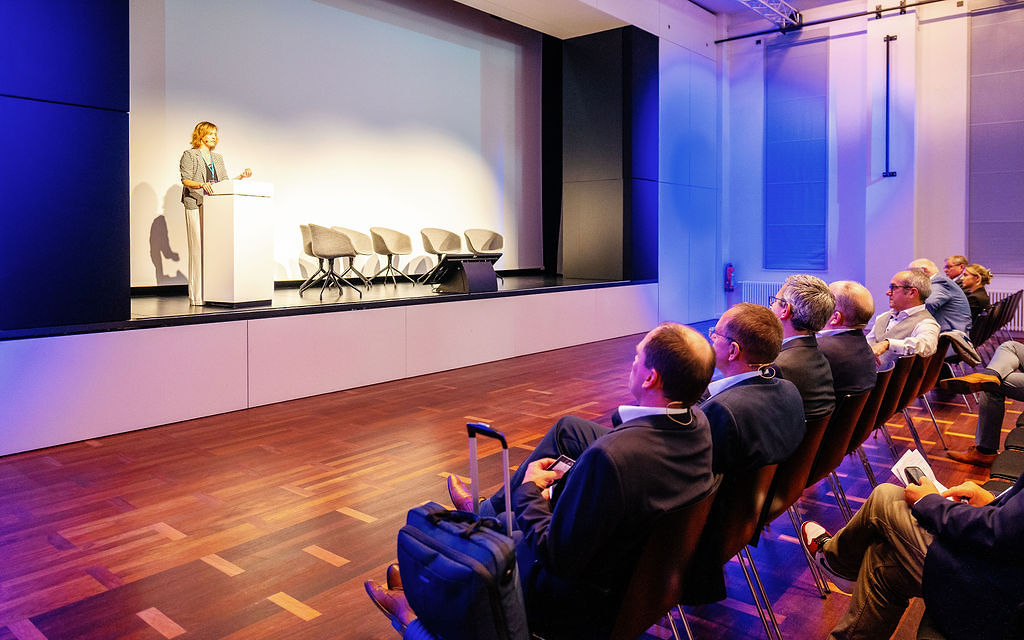
Data centers are currently at the center of two developments: a rapidly growing digital economy and the ambitious energy transition. At the German Datacenter Conference 2025, Katrin Fuhrmann, Head of Supply & Energy Management Germany at ENGIE, explained why the industry is at a strategic turning point and what role data centers can play in the energy system in the future.
"We are at a turning point," Fuhrmann said in her speech. "Data centers are no longer just energy consumers. They are evolving into active energy hubs, and that changes everything."
An industry in transition
The German Datacenter Conference is considered one of the most important industry gatherings for data center operators, energy suppliers, technology providers and representatives from politics and administration. Discussions focus on topics such as grid connections, land availability, decarbonization and security of supply.
The electricity demand of data centers in Europe has risen by around 70 per cent over the past five years. While total electricity consumption in Europe has fallen slightly since 2019, data centers are already responsible for more than a quarter of the additional energy demand by 2029. By the end of the decade, their consumption could be between 1,000 and 1,500 terawatt hours. This corresponds to six to nine per cent of global electricity demand.
From consumer to energy hub
For a long time, data centers were considered purely electricity consumers. But this role is changing. Operators are increasingly investing in renewable energy generation, battery storage, flexible load management and heat recovery.
"We can no longer think of data centers as passive consumers," explained Fuhrmann. "They are becoming energy players that not only consume, but also produce, store and provide flexibility."
One example is the partnership with Prometheus Hyperscale in the USA, which combines battery storage and renewable energies with data center operations. And hyperscalers are driving the change:
Google has just extended its partnership with Engie in Germany in the area of "24/7 Carbon-Free Energy (CFE)" until 2030, and Amazon is sourcing energy from the Moray West offshore wind farm in Scotland. In Berlin, a new urban district with 10,000 apartments is to be heated with waste heat from an NTT data center.

24/7 carbon-free power as a new paradigm
At the heart of many strategies is the principle of "24/7 Carbon-Free Power". This is not about certificates, but about real-time allocation.
- Matching consumption with renewable generation hour by hour.
- Using battery energy storage systems (BESS) to smooth out intermittency.
- Deploying advanced forecasting and load management tools to optimize operations.
- And integrating district energy networks and waste heat reuse to support urban sustainability.
" This is a radical shift from consuming energy to contributing to the energy ecosystem.", said Fuhrmann.
Challenges: grids, prices, risks
The transition poses challenges. While a data center can be built in two to three years, grid expansion often takes a decade. Volatile energy prices and regulatory uncertainties add to the pressure.
In Dublin, there is a de facto connection moratorium until 2028: new projects must provide their own power generation or storage. Similar bottlenecks are also looming in Germany if expansion is not accelerated.
Partnerships as a factor for success
Despite these hurdles, solutions are emerging.
- Growth is increasingly shifting to secondary markets with better availability of space and renewables, such as Berlin, Hamburg and the Rhineland.
- Grid-ready sites are emerging in France.
- Demand flexibility: The power sector increasingly values datacenter flexibility, shifting AI workloads, using batteries, and responding to price signals.
"Strategic partnerships between utilities, local authorities and technology companies is crucial," emphasized Fuhrmann. "This is the only way to speed up approval processes and overcome grid bottlenecks."
Four trends until 2026
- Growing energy demand due to AI applications and high-performance computing
- Increasing regulatory pressure due to the Energy Efficiency Act and the Climate Neutral Data Center Pact
- On-site generation with renewable energies and storage solutions as standard
- Shift in growth to secondary markets with better infrastructure
Conclusion: Data centers as drivers of the energy transition
Data centers can evolve from electricity consumers to active drivers of the energy transition.
"If we design data centers as flexible, resilient and low-carbon energy centers, we can combine growth with climate protection, security of supply and price stability," Fuhrmann summarized.
Our Expert

Articles you might also be interested in
Electric Heavy-Duty Transport: From Pilot Project to Nationwide Fast-Charging Network

Data Centers as System Partners of the Energy Transition: Flexibility, Heat, and Renewable Energies
Why decarbonization only works as a system
Decarbonization only works as a system: Eric Stab explains why individual measures are not enough and why integrated solutions are essential.
How Power Purchase Agreements (PPAs) are becoming key to climate neutrality
Green Power PPAs Drive Industrial Decarbonization: An Overview of Opportunities, Challenges, and Regulatory Frameworks.
"Downtime Becomes Charging Time" – How PORT OF KIEL is Electrifying Heavy-Duty Transport with ENGIE
How the PORT OF KIEL is expanding charging infrastructure for electric trucks with ENGIE: 400 kW fast charging, AFIR targets, and the future of electric heavy-duty transport.

Impulse #28: The Energy Transition Requires Systems Thinking
Energy policy requires systemic thinking: Eric Stab from ENGIE Germany explains how international experience can advance the German energy transition. Read now!

A decade of change: ENGIE and the path to energy transition
150 years of history, 10 years of ENGIE: a look back at history, people, and the ambition to make the energy transition and climate neutrality measurable.
Power for heavyweights – How ENGIE Vianeo is driving forward electric mobility for trucks
Find out how ENGIE Vianeo is accelerating truck electromobility in Europe.

Impulse #27: Tackling decarbonization
Taking action on decarbonization: Niklas Wiegand from ENGIE Germany blogs about sustainable solutions for cities, industry, and buildings. Read now!
Biomethane – making energy supply climate neutral
Biomethane can make industry, heat supply and mobility more climate-friendly. Read more about this underestimated energy source.